


Long-term care providers require different billing compared to outpatient settings. LTC medical billing usually involves ongoing patient stays, frequent benefit data changes, and detailed documentation requirements tied to coverage rules. Because of this complexity, many facilities rely on specialized billing services to keep daily operations running smoothly.
This article focuses on how billing services support long-term care providers in practical, everyday ways.
The Daily Reality of Long-Term Care Billing
LTC billing is a continuous process, because patients can stay for weeks or months and their insurance coverage can change during the period. Medicare, Medicaid, private insurance, as well as patients’ responsibility, can involve multiple dates that need to be carefully managed.
Small gaps in documentation, late payments, or missed changes in benefits coverage can quickly result in claims going unpaid. Many in-house staff members are trying to handle patient admissions, the management of patient care, family notifications, and compliance. The billing service assists with this burden by handling billing follow-ups.
Managing Admissions and Coverage Changes
Among the most crucial roles played in the revenue cycle is handling billing for admissions and changes in coverage. When a new resident is admitted to the medical facility, the workers are required to review coverage information and confirm that the facility is billing the right payer.
External billing professionals help guarantee that the level and timing of services provided have been correctly billed and that there is no risk of overcharging.
This continuous tracking enables the facilities to prevent common errors including charging the wrong paper or continuing to charge Medicare when there is no coverage.
Supporting Accurate Documentation
When there is incomplete or unclear information, billing staff point out potential issues early and request further information before completing the claims.
In the context of long-term care, the documentation may require proving medical necessity, the provision of skilled services, or the fulfilment of specific care criteria. Billing services assist the facility in figuring out what the payer expects and where the documentation usually goes wrong.
With time, this serves to enhance documentation procedures as well as eliminate recurring billing concerns.
Keeping Up with Payer Rules and Deadlines
Long-term care payer rules are strict and time-sensitive. Billers must follow submission deadlines, authorization windows, and appeal timelines, otherwise there is a risk of losing the payment.
External billing specialists track these rules as part of their daily work. They know when claims must be submitted, follow-up is required, and how to appeal denials if needed. This structured approach helps facilities avoid preventable revenue loss due to missed timelines.
Handling Ongoing Follow-Up and Corrections
Billing problems in LTC facilities are rarely handled with just one claim filing. It may result in multiple follow-ups for corrections or additional information. The billing service handles all this systematically so that unpursued claims are not overlooked.
Rather than occasional payer contact initiated by in-house staff in conjunction with other duties, billing services ensure persistent follow-through until claims are resolved. This results in a higher rate of payment and a reduction in accounts receivable.
Reducing Administrative Burden on Facility Staff
One of the benefits that stands out regarding the usage of billing services is the alleviation of the administration workload on internal staff. Admissions coordinators, nurses, and office staff spend less time dealing with billing questions and waiting for responses from the payer.
This enables staff members to concentrate on other aspects of care rather than financial aspects of billing. However, in settings where staff members are limited in terms of administration, this help can make a big difference.
Providing Clear Financial Visibility
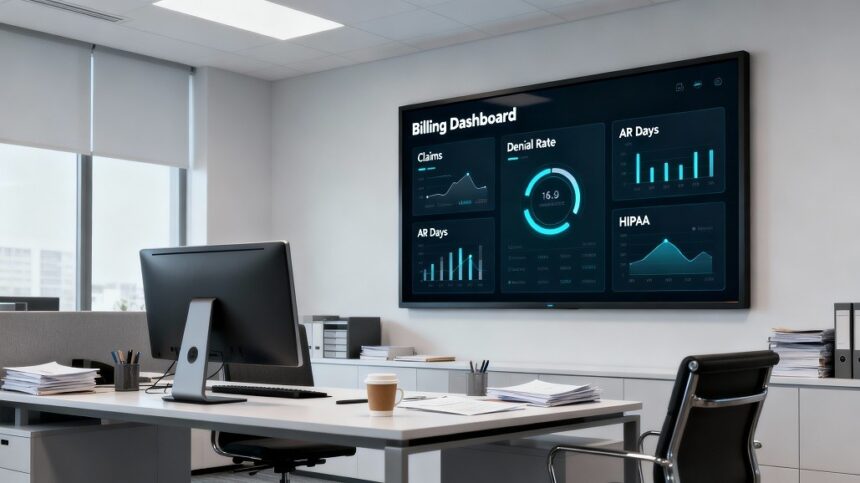
Billing companies typically provide regular updates on claim statuses, denial rates and outstanding balances. This visibility helps facility leadership understand where revenue stands and key issues that may affect cash flow.
Facilities can anticipate delays and address issues early instead of reacting to payment gaps after the fact. Clear reporting also supports budgeting and operational planning.
Why LTC Providers Use External Billing Services
Long-term care organizations begin the use of billing services in order to address current problems such as workforce shortage and denying claims. In the long run, the organizations continue using the services due to the stability that the services provide.
Billing services get to be conversant with the operations of the facility. In the long run, the billing services get more efficient. For LTC providers, billing services are more of internal operations rather than outsourcing.
Final Thoughts
LTC medical billing is complex, ongoing, and integrated with daily operations. External billing companies support the facilities through dedicated services that address admissions billing, tracking changes in coverage, adhering to payer guidelines, all with consistent follow-up.
In contrast to services revolving solely around the submission of claims, these ones assist facilities in becoming more organized, alleviating administrative headaches, while ensuring a stable cash flow. This is essential in keeping the financial aspect of operations in line and maintaining a healthy revenue cycle.